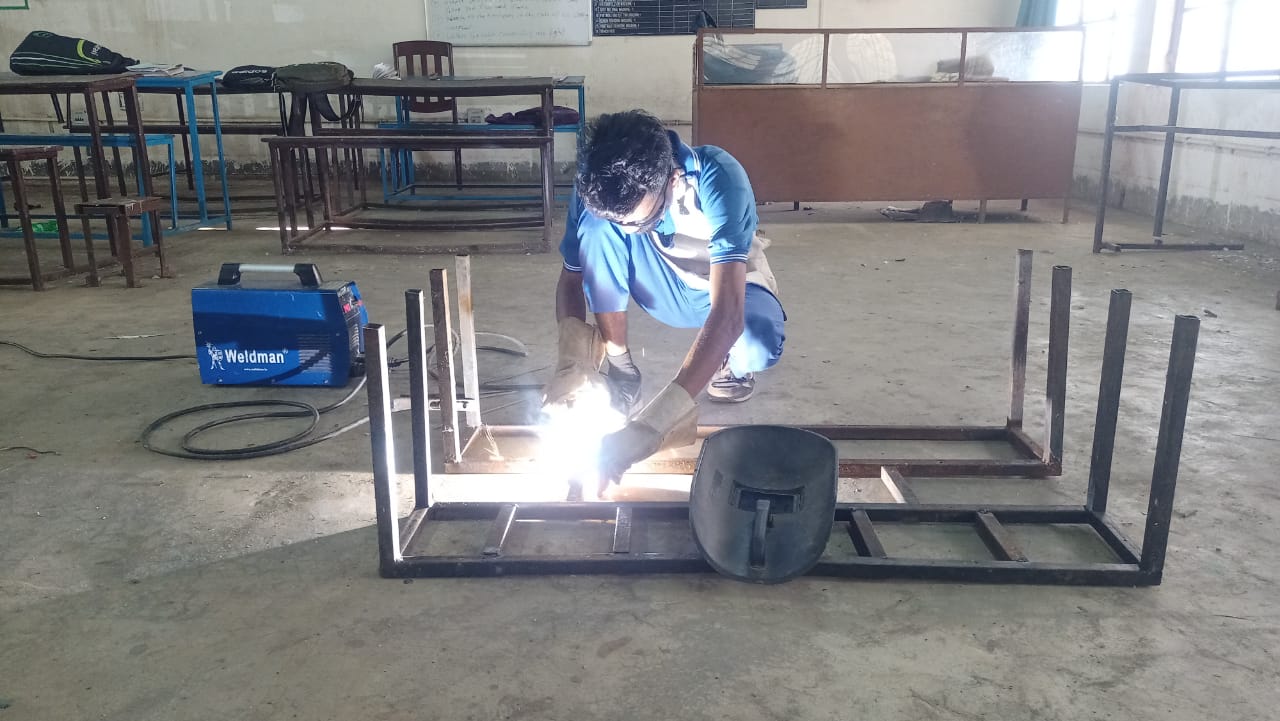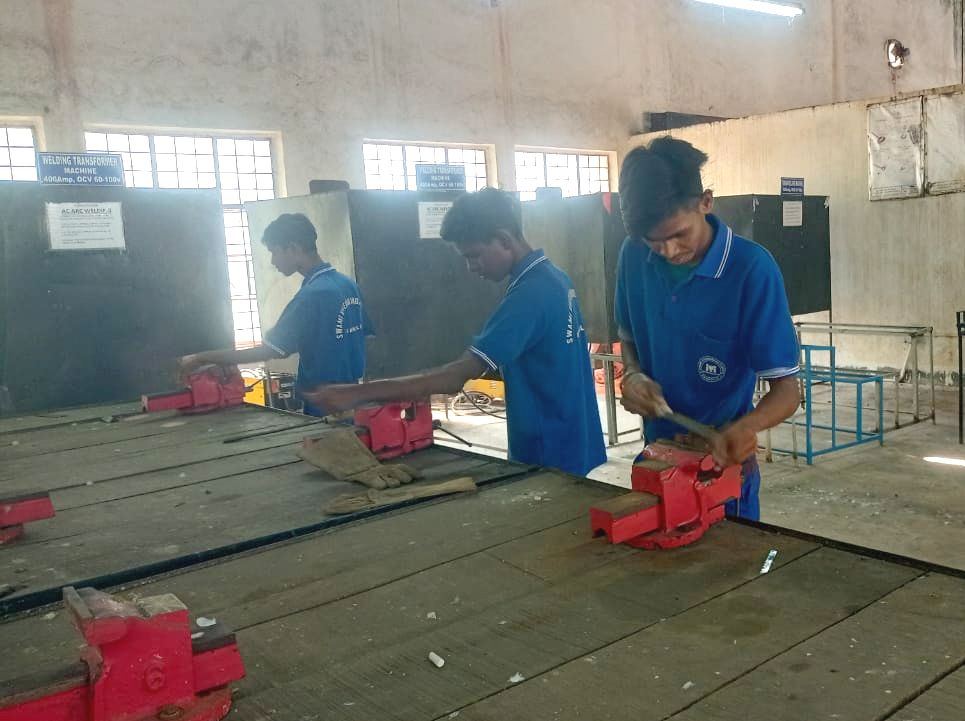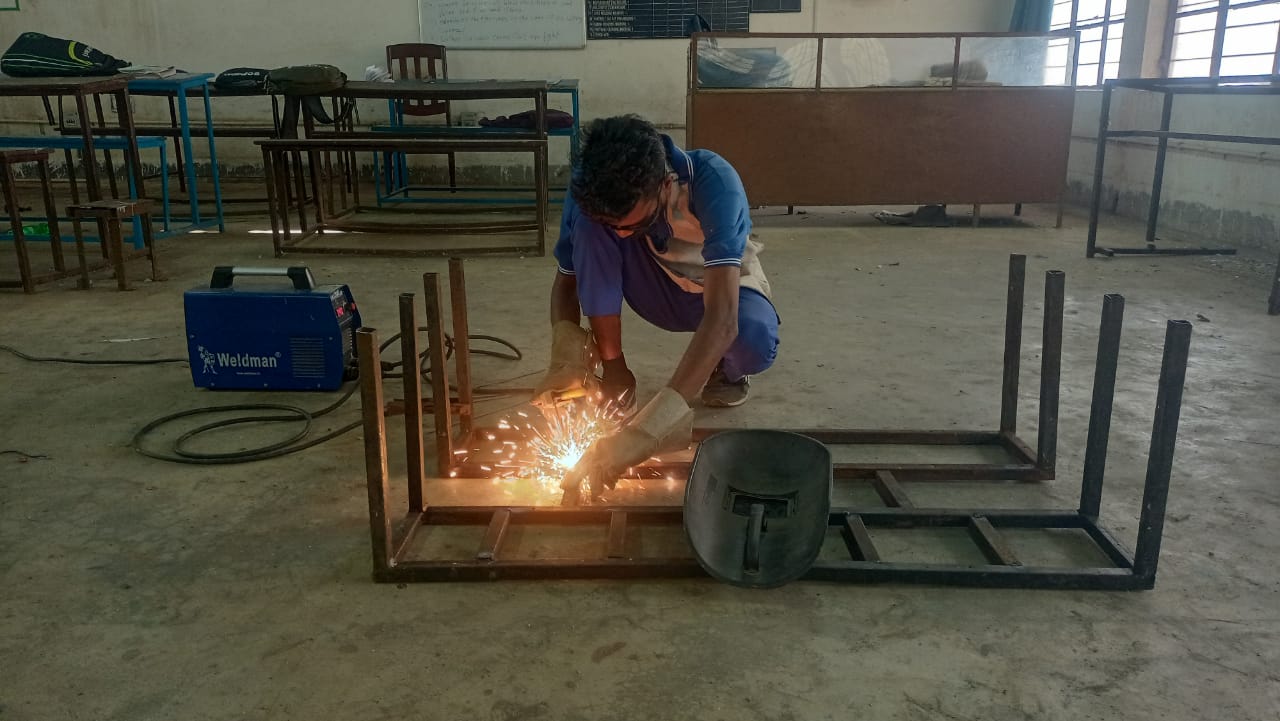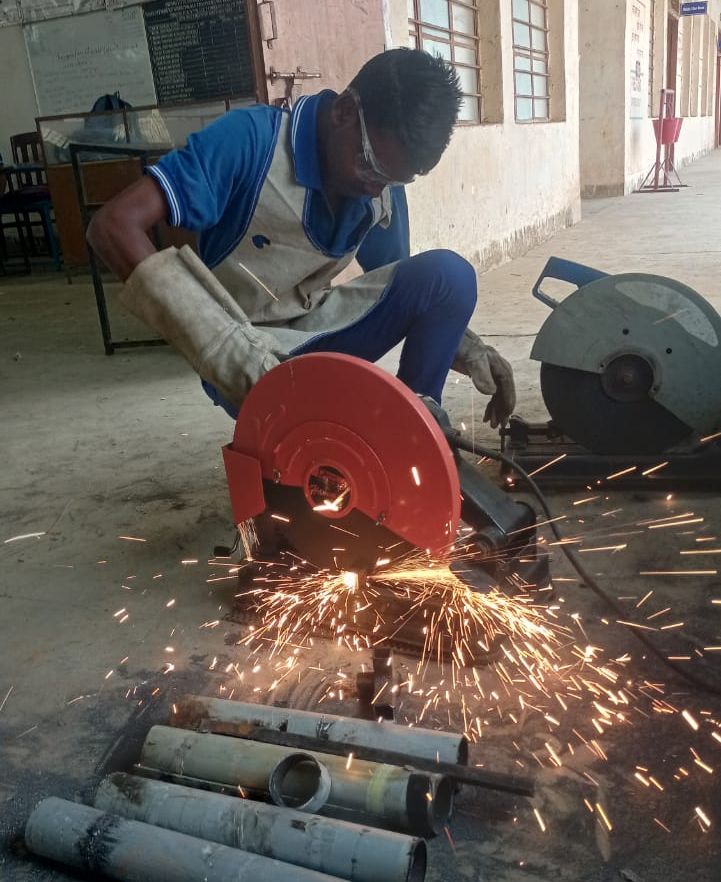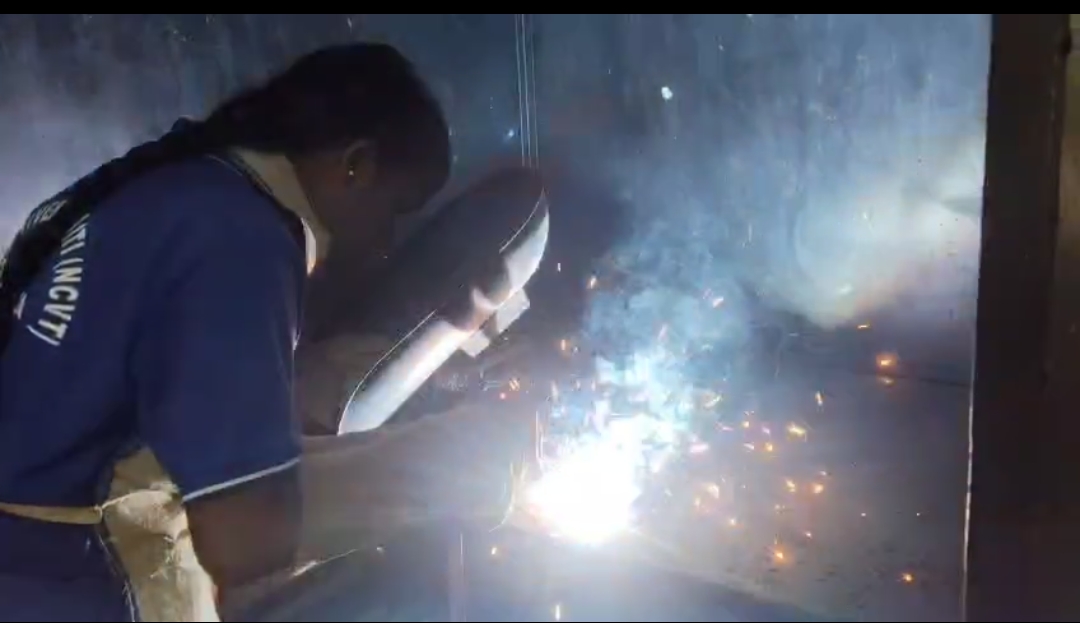
The ITI Welder Trade is a highly skill-oriented vocational course offered by Industrial Training Institutes under the Directorate General of Training (DGT), Government of India. This trade is designed to produce skilled welders who can join and fabricate metal parts used in construction, manufacturing, automobile, shipbuilding, railways, and many other industries. The course duration is generally one year, and it focuses mainly on practical training along with essential theoretical knowledge. As welding is a core industrial skill, the demand for trained welders remains consistently high in India as well as abroad.
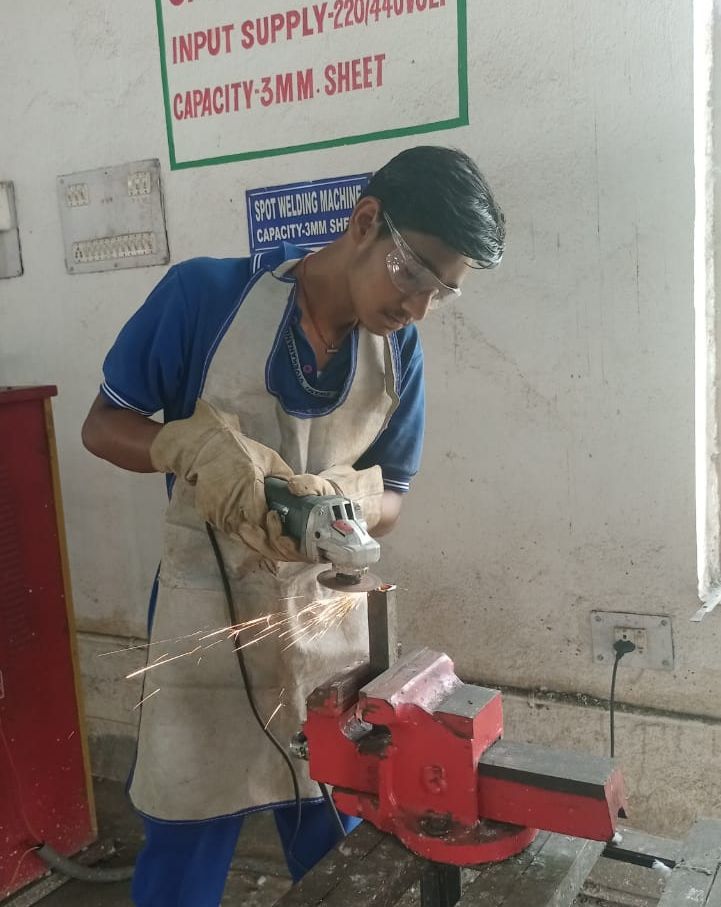
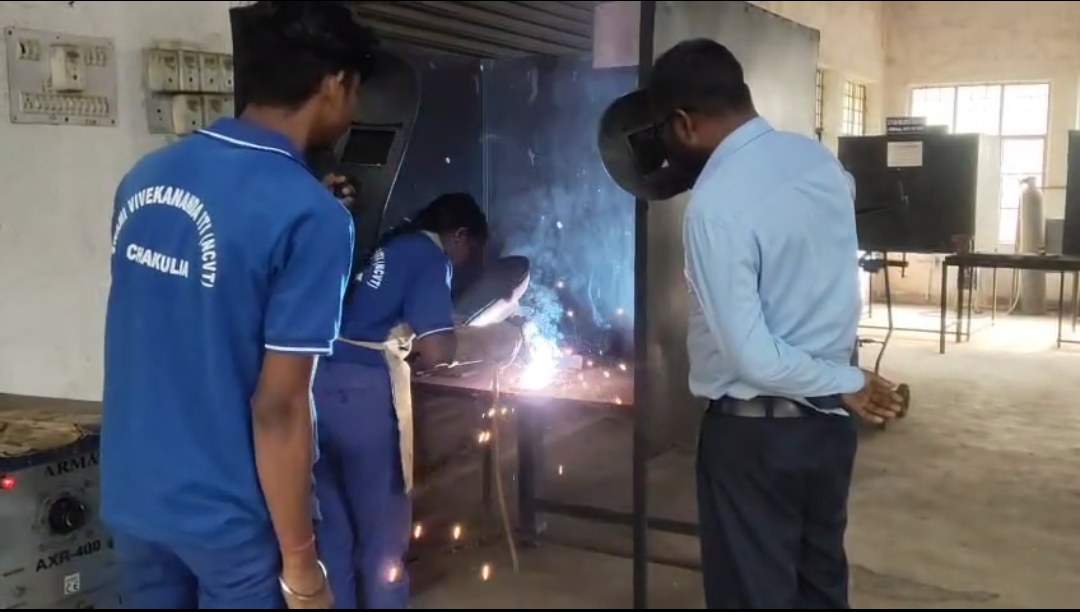
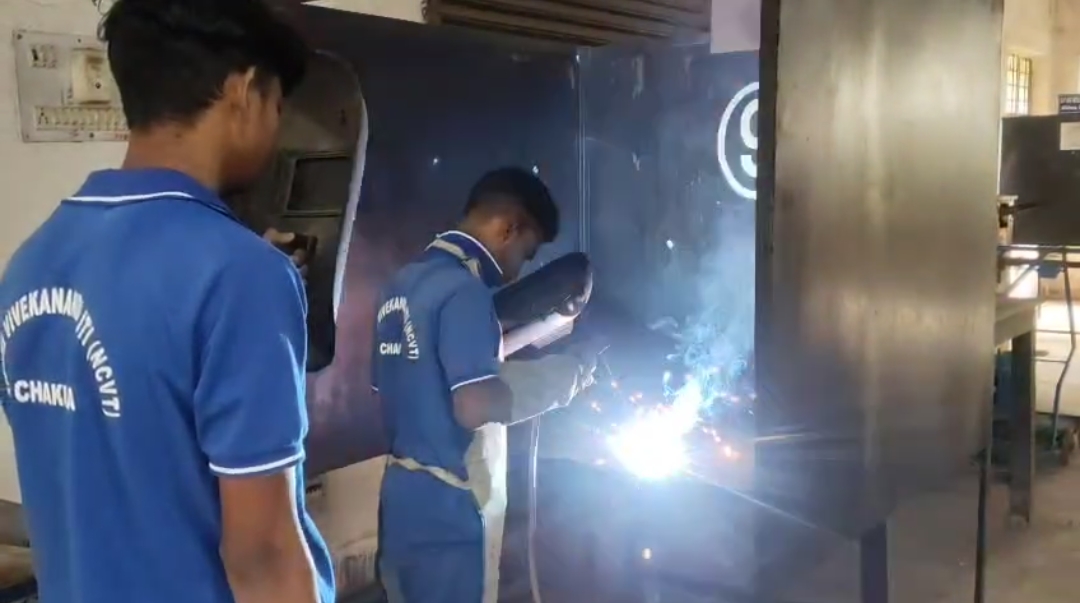
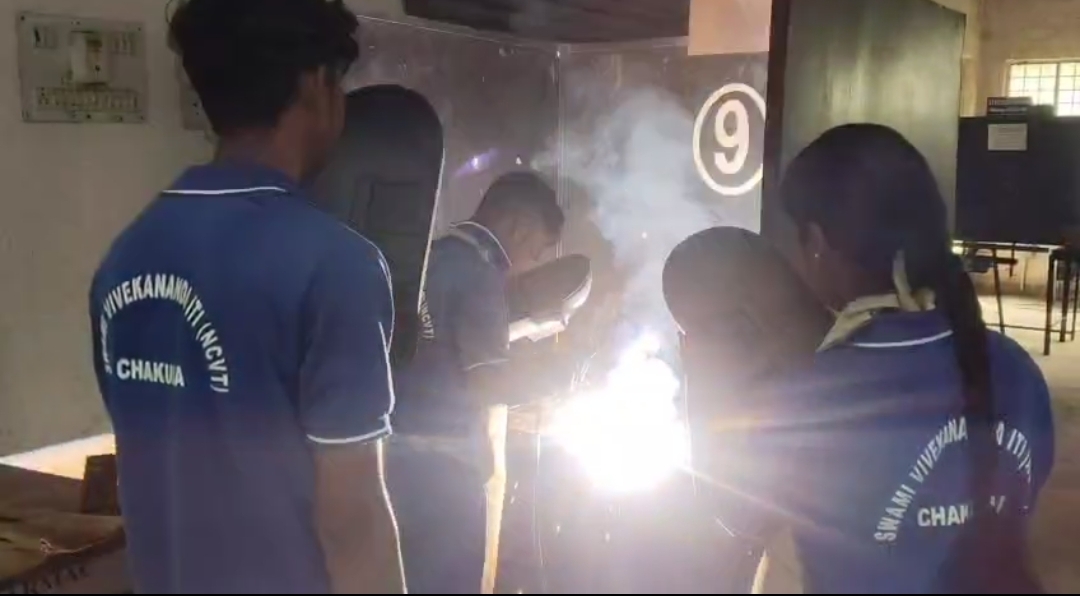
The roles of an ITI Welder are diverse and spread across many sectors. Welders are employed in manufacturing industries, fabrication units, construction sites, power plants, oil and gas sectors, shipyards, railways, automobile industries, and heavy engineering companies. They perform tasks such as joining metal components, repairing damaged structures, and fabricating frames, tanks, pipelines, and machinery parts. Depending on specialization, a welder may work as an arc welder, gas welder, TIG welder, MIG welder, or structural welder, making this trade highly versatile. Practical training is the foundation of the ITI Welder trade. Trainees gain hands-on experience in various welding techniques including Gas Welding, Arc Welding, MIG (Metal Inert Gas), TIG (Tungsten Inert Gas), and Spot Welding. They learn to read engineering drawings, identify metals, select appropriate electrodes and welding parameters, and prepare joints. The training also covers cutting processes, grinding, finishing, and inspection of welded joints. Strong emphasis is placed on welding safety, use of protective equipment, fire prevention, and safe handling of tools and materials.
After completing the ITI Welder trade, students have opportunities for advanced training and skill enhancement. Apprenticeship training under the Apprentices Act allows welders to work in real industrial environments while earning a stipend and gaining valuable experience. Advanced certification courses in pipe welding, underwater welding, robotic welding, pressure vessel welding, and quality inspection further increase employability and salary potential. Higher-level training also opens pathways to supervisory roles, welding inspector positions, and international job opportunities.
The ITI Welder trade provides strong scope for self-employment and entrepreneurship. Skilled welders can start their own fabrication workshops, offer welding and repair services, manufacture gates, grills, shutters, frames, and furniture, or take up contract-based welding work. With relatively low investment and constant market demand, self-employment in welding can be highly profitable. Many welders gradually expand their businesses into full-scale fabrication or manufacturing units. Choosing the ITI Welder trade is an excellent decision for students who enjoy hands-on work and mechanical skills. The trade offers high demand, good earning potential, job opportunities in India and abroad, and quick employment after training. It provides a strong practical foundation, opportunities for apprenticeship, scope for higher skill development, and self-employment options. As welding is essential to industrial growth and infrastructure development, the ITI Welder trade ensures long-term career stability, growth, and respect, making it a powerful and future-ready career choice.